


As businesses of all sizes migrate more and more services and operations to the cloud, they find themselves achieving more productivity and efficiency alongside managing new security risks. While the cloud is not inherently less secure than on-premise technology—in fact it is robust in its security attributes—the problem is that cybercriminals are constantly evolving to attack it in new ways.
So what’s a business to do? You need the cloud to digitally transform, yet you are unsure how to proceed in a cloud security landscape that seems to be always changing. There are some hard-and-fast best practices to consider. Read on for the top five.
Multi-Factor Authentication Is a Must
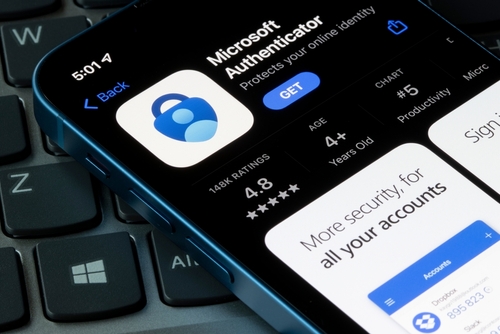
While most employees likely find multi-factor authentication—requiring multiple verification points before gaining access—annoying at best, it is a security best practice you should not skip. Gaining access to your virtual private network (VPN) or remote desktop solution should require more than just a username and password, and there are many ways to introduce this kind of authentication. As part of your security strategy, multi-factor authentication can actually block 99.9% of account hacks, according to Microsoft.
Don’t Overcomplicate Things
With the volume and attractiveness of cloud solutions out there, you might be tempted to onboard tools that look shiny and effective but in fact, aren’t the right fit for your business. Depending on your organization’s structure and needs, you could risk introducing tools that are too complicated for your employees to use or lack intuitive user interfaces or ease of use. If that is the case, employees may turn to public cloud tools, resulting in data being stored off your network—putting it at risk. Work with a third-party expert like Point Alliance to select the right tools for your business and keep your data secure.
Stay on Top of Security Patches
One of the great benefits of using the cloud is that patching vulnerabilities happens much faster than with a hardware- or on-premise-based solution. But that doesn’t mean you can just sit back and never worry about patching. Yes, cloud providers will issue patches as fast as they can for critical applications, but you should stay on top of applying them as quickly as possible so there’s no lag in your vulnerabilities.
Consider Automation
Introducing automation into your security strategy can reduce complexity, support Zero Trust efforts, and allow your employees to get their time back. Automating security processes reduces the need for human interaction, and it enables security operations teams to strategize while technology takes care of manual work. This is an important consideration for businesses that are planning to onboard even more microservices or advance their digital transformations because the more cloud services you bring on, the more complicated your environment gets. Automation takes care of much of what you’d have to hire humans to do.
Choose a Cloud Provider That Takes Care of Compliance
Organizations can face challenges when it comes to meeting industry standards and regulations in the cloud, but leading cloud providers like Microsoft offer the broadest set of cloud compliance certifications—many of which apply to specific industries and countries or regions. Look for built-in compliance controls and configuration management tools that give your business an easy way to ensure compliance in the cloud.
Keep Your Cloud Secure in 2023 with Point Alliance
The experts at Point Alliance have deep experience helping businesses of all sizes select the right cloud solutions that support their digital transformation in ways that also ensure their data security. You do not have to sacrifice any security by moving to the cloud. Contact us today to learn how.